Pakistani bridal wear is a multi-day commitment. Unlike a single white gown, a Pakistani wedding asks you to dress for four or five distinct events—each with its own colour palette, fabric weight, and embroidery expectation. If you're shopping for the first time, or ordering from abroad, the options can feel overwhelming. This guide walks you through mehndi, baraat, nikkah and walima dress codes, explains what drives cost, and shares practical advice on lead times and fit.
Why Pakistani Weddings Demand Multiple Outfits
A traditional Pakistani wedding spans several functions, each rooted in cultural and religious customs. The mehndi is vibrant and celebratory; the baraat marks the bride's official departure; the nikkah is the religious contract; the walima is the groom's reception. Each event carries different expectations for formality, colour, and embellishment.
You don't need to spend equally on every outfit. Many brides invest heavily in the baraat dress—the red or maroon ensemble worn during the main ceremony—and balance their budget with simpler choices for mehndi or nikkah. Understanding the role of each function helps you allocate your time, money, and energy wisely.
Mehndi Night: Colour, Movement, and Embroidery
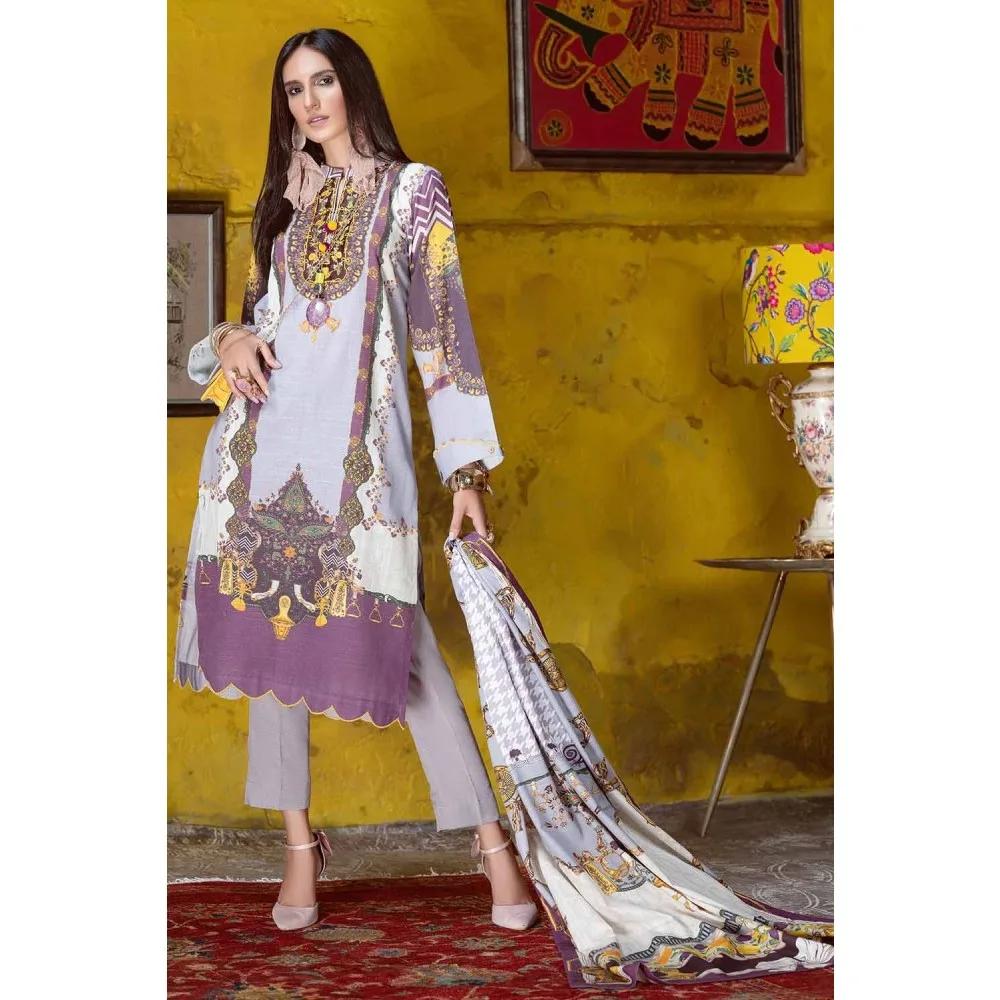
The mehndi is the most relaxed of the bridal functions. Yellow, green, orange, and fuchsia dominate; red is traditionally avoided because it's reserved for the baraat. Brides wear bridal or party wear in lighter fabrics—lawn, chiffon, or georgette—that allow for dancing, sitting cross-legged, and long hours under lights.
Embroidery on mehndi outfits tends to be playful: gota work, mirror work, thread embroidery, and digital prints with embellished necklines. You want colour and sparkle, but not the weight of heavy zari or stone work. A three-piece suit with an embroidered dupatta offers enough presence without restricting movement.
Budget tip: if you're ordering unstitched fabric, mehndi is a good place to choose a mid-tier piece. Save the premium hand-embroidered chiffon for the baraat.
Baraat Outfit: Weight, Drama, and Practical Styling
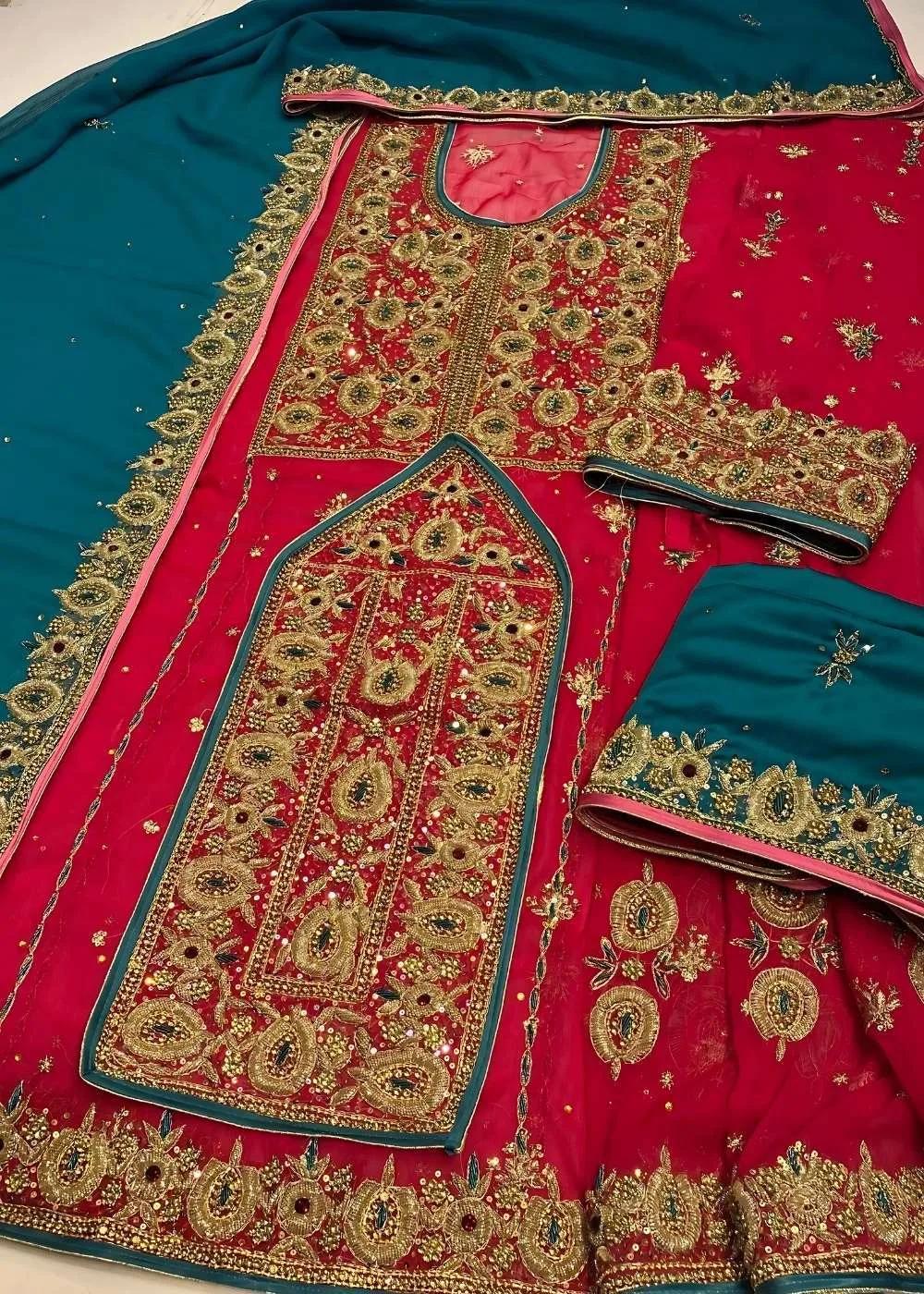
The baraat dress is the centrepiece. Red, maroon, deep pink, or gold are the classic choices, though modern brides also wear ivory, peach, or pastel shades with heavy embellishment. Fabric matters: chiffon, organza, silk, or velvet in winter all work, but the real weight comes from the embroidery.
Zari, dabka, sequins, stone work, and hand embroidery can add kilograms to a bridal outfit. A heavily embroidered baraat suit may weigh three to five kilograms. That's why fit and construction are critical: the shirt must sit comfortably on your shoulders, the dupatta needs secure pinning points, and the lehenga or sharara waistband should distribute weight evenly.
If you're ordering from Pakistan and having the outfit stitched, allow at least four to six weeks for embroidery and tailoring. Rush orders exist, but quality suffers. Communicate your measurements clearly—bust, waist, hips, shoulder width, shirt length, sleeve length, and trouser or lehenga length. A small error in a heavily embellished piece is expensive to fix.
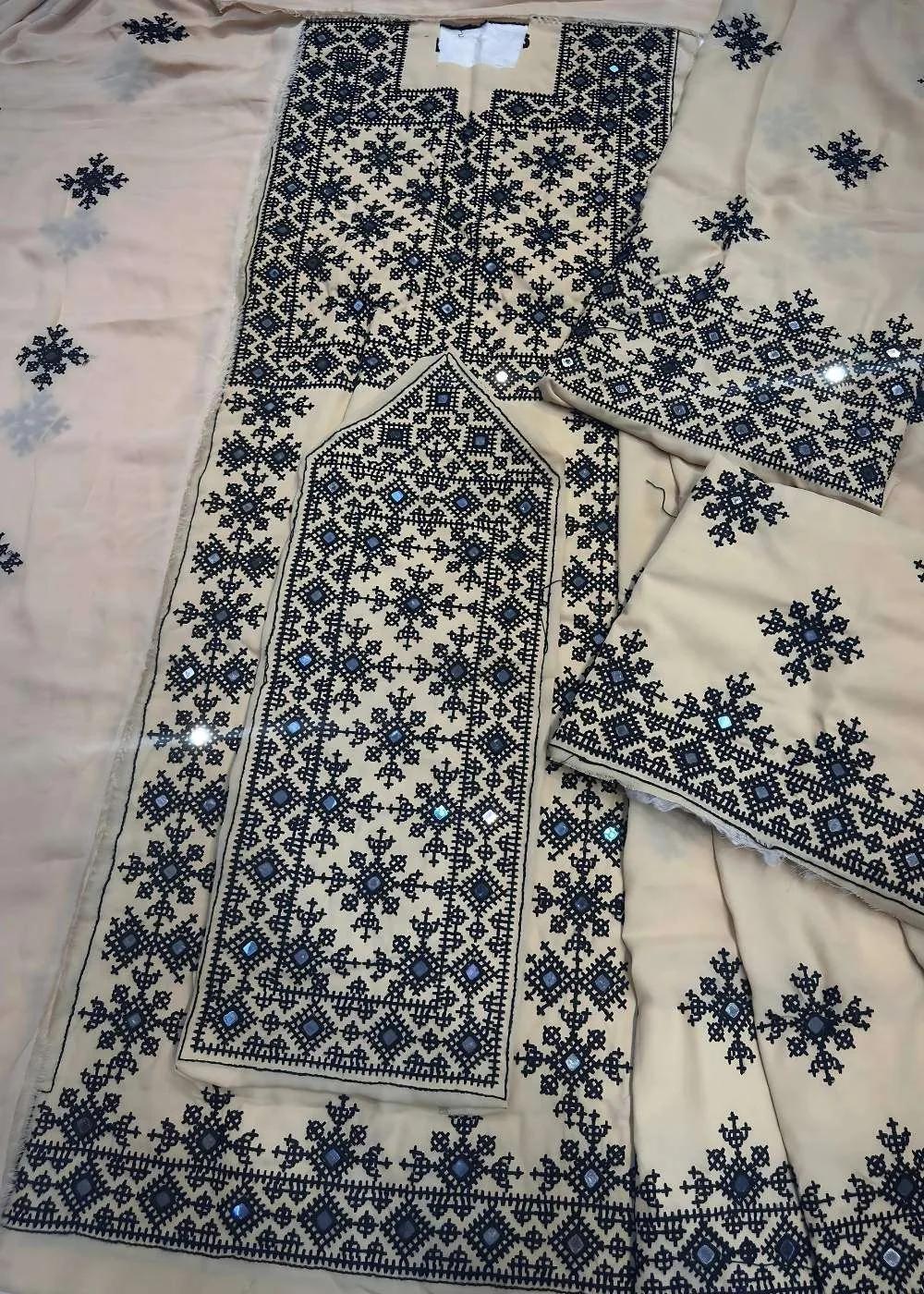
Askani Group of Companies
Luxury Embroidered Georgette Suit with Luxury Embroidered on Georgette Dupatta
Georgette
Rs. 10,349Rs. 11,499
Nikkah Dress: Tradition, Simplicity, and Personal Preference
The nikkah is the Islamic marriage contract, often held as a separate, quieter ceremony. Some families combine it with the baraat; others hold it days or weeks earlier. Dress codes vary by region and family tradition.
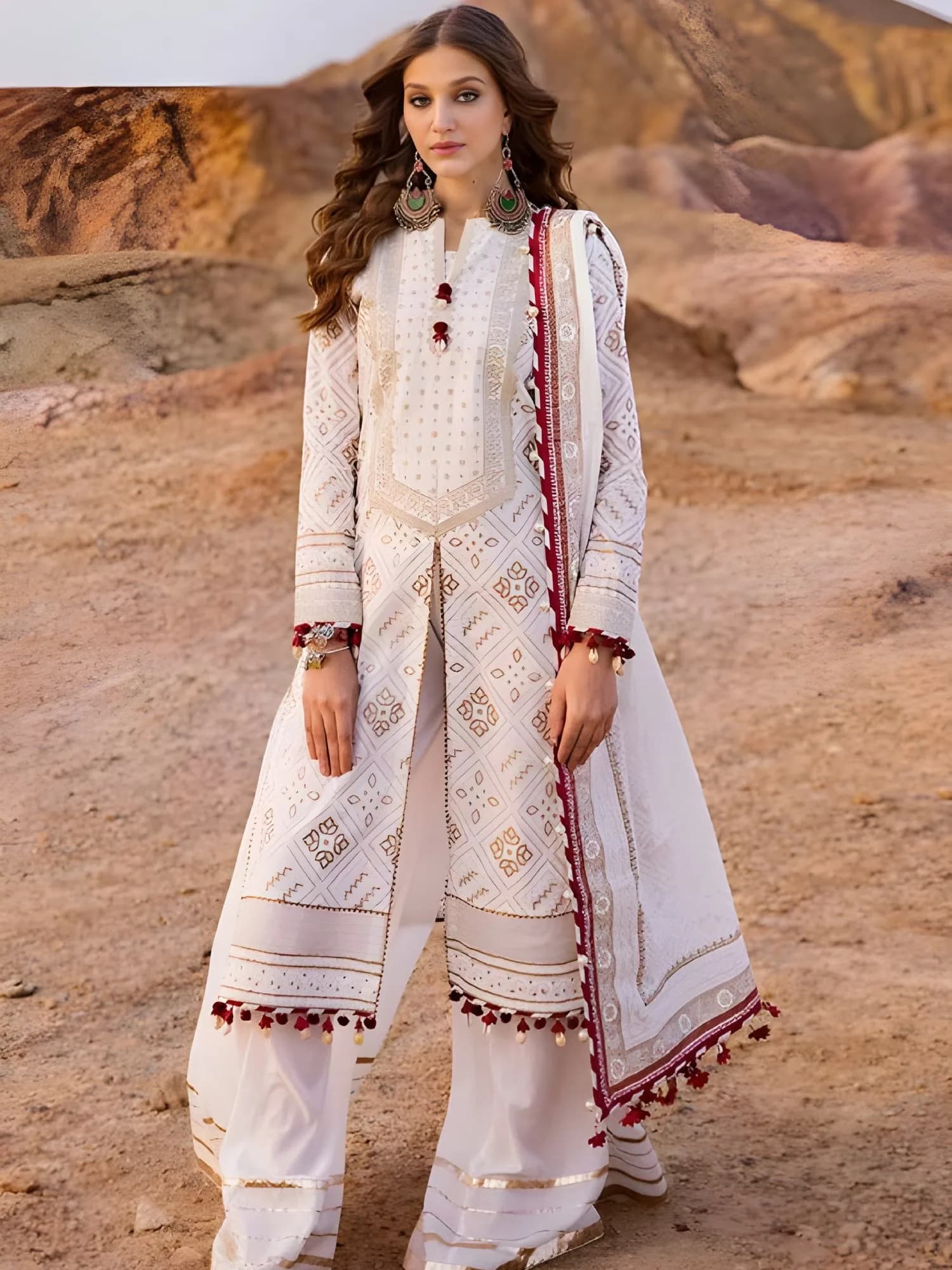
Many brides wear white, ivory, gold, or pastel shades for nikkah—colours that signal purity and new beginnings. The outfit is usually lighter than the baraat dress: embroidered lawn, net, or chiffon with delicate thread work, pearls, or minimal zari. If your nikkah is private, a two-piece or three-piece suit in a soft colour is appropriate. If it's a large public event, you may choose a more formal gown-style outfit or an embroidered lehenga.
There's no single rule. Some brides wear their baraat outfit to the nikkah; others prefer a completely different aesthetic. Discuss expectations with your family and choose what feels right for the setting and your own comfort.
Walima: The Bride's Second Look and Fabric Choices
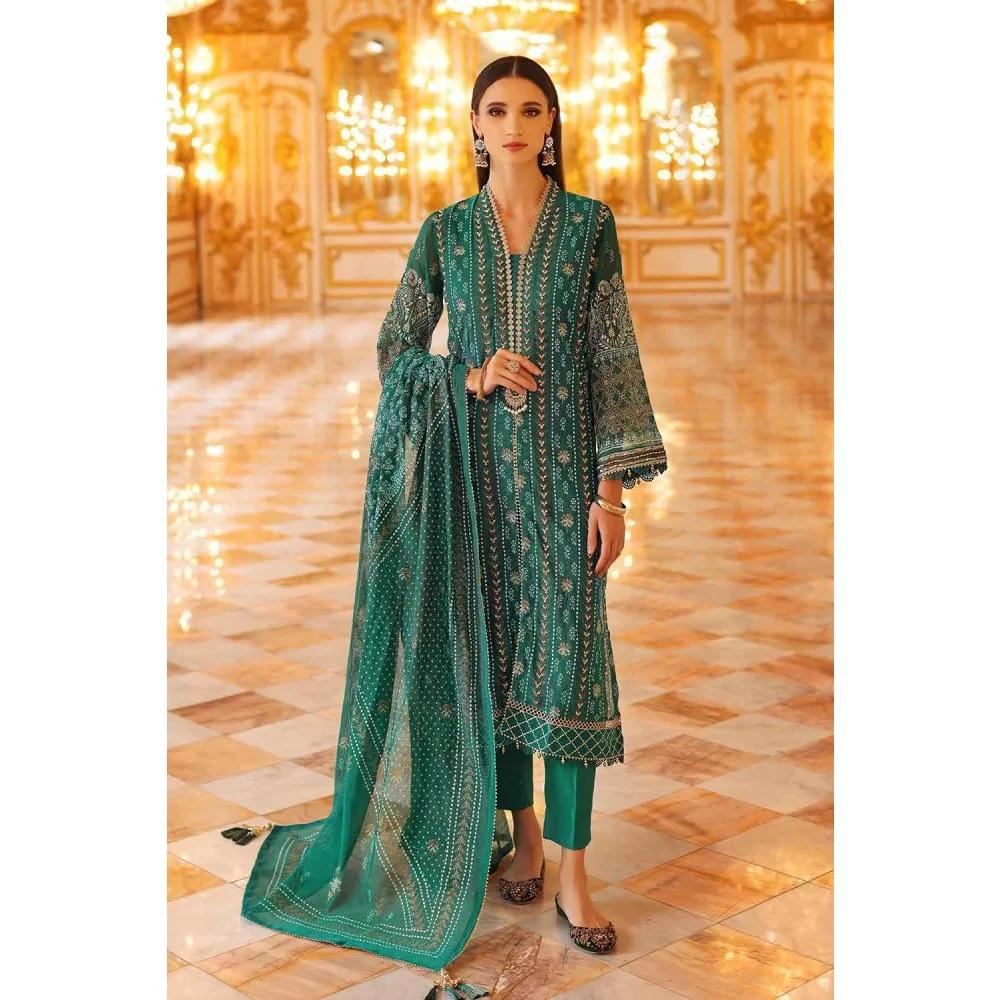
The walima is hosted by the groom's family, usually a day or two after the baraat. It's a formal reception, and the bride's outfit is expected to be elegant but distinct from the baraat dress. Pastel shades—blush, mint, lavender, champagne—are popular, as are jewel tones like emerald or royal blue.
Fabric choices for walima include chiffon, organza, silk, or jacquard. Embroidery is present but lighter than the baraat: thread work, sequins, or borders rather than full heavy zari. The silhouette can be a lehenga, sharara, or gown-style shirt, depending on your preference and the formality of the event.
Many brides order their walima outfit from a different designer or brand to ensure a fresh look. If budget is tight, consider a ready-to-wear formal suit that you can customize with a statement dupatta or jewellery.
Embroidery, Zari, and Beadwork: What Adds Cost and Impact
The price of Pakistani bridal dresses is driven primarily by embroidery. Machine embroidery is faster and more affordable; hand embroidery—especially dabka, zardozi, or thread work—takes weeks and costs significantly more. Zari (metallic thread) adds shimmer and weight. Stone work, sequins, and pearls increase both cost and visual impact.
When you're comparing outfits, ask:
- Is the embroidery hand-stitched or machine-applied?
- How much of the shirt, dupatta, and bottom are embroidered?
- What materials are used—silk thread, metallic zari, glass beads, or crystals?
- Is the base fabric included, or are you paying for embroidery on a separate piece?
Unstitched bridal suits give you control over fabric quality and stitching, but you'll need a skilled tailor and extra time. Ready-to-wear or made-to-order options from established brands offer consistency and faster turnaround, though customization is limited.
Ordering from Abroad: Lead Times, Customs, and Fitting
If you're in the UK, USA, Canada, UAE, or Saudi Arabia, ordering Pakistani bridal wear requires planning. Standard shipping from Karachi takes one to three weeks; custom stitching adds another four to six weeks. Always add a buffer for delays, especially during wedding season (November to February) or around Eid.
Customs duties vary by country. The UK, USA, and Canada may charge import tax on shipments over a certain value; the UAE and Saudi Arabia typically have lower or zero duties on clothing. Check your country's customs website and factor potential fees into your budget.
Fitting is the biggest challenge when ordering internationally. If you're buying unstitched fabric, find a local tailor experienced with Pakistani bridal work—someone who understands how to handle heavy embroidery, set a dupatta, and construct a lehenga or sharara. If you're ordering stitched outfits, provide your measurements in the format the brand requests (usually in inches) and include photos of similar styles you like. Many Pakistani brands now offer video consultations or WhatsApp support to guide international customers.
Askani Group ships across Pakistan with cash-on-delivery and internationally via courier. Whether you're ordering unstitched fabric or a fully stitched bridal ensemble, confirm lead times, shipping costs, and return policies before you pay.
Building a Bridal Wardrobe Without Overspending
You don't need five brand-new designer outfits. Here's a practical breakdown:
- Baraat: Invest here. This is your signature look. Budget for quality fabric, skilled embroidery, and professional stitching.
- Walima: Mid-tier spending. Choose a lighter, elegant outfit that complements your baraat without competing.
- Mehndi: Affordable and fun. Bright colours, lighter embroidery, and comfortable fit matter more than price.
- Nikkah: Depends on the setting. A simple embroidered suit works for private ceremonies; a formal outfit suits larger events.
- Mayun or dholki: If your family holds these pre-wedding events, choose casual or semi-formal suits you can re-wear later.
Consider renting or borrowing pieces for smaller functions. Many brides also re-wear their walima outfit to post-wedding receptions or family events, making it a better long-term investment than a single-use mehndi dress.
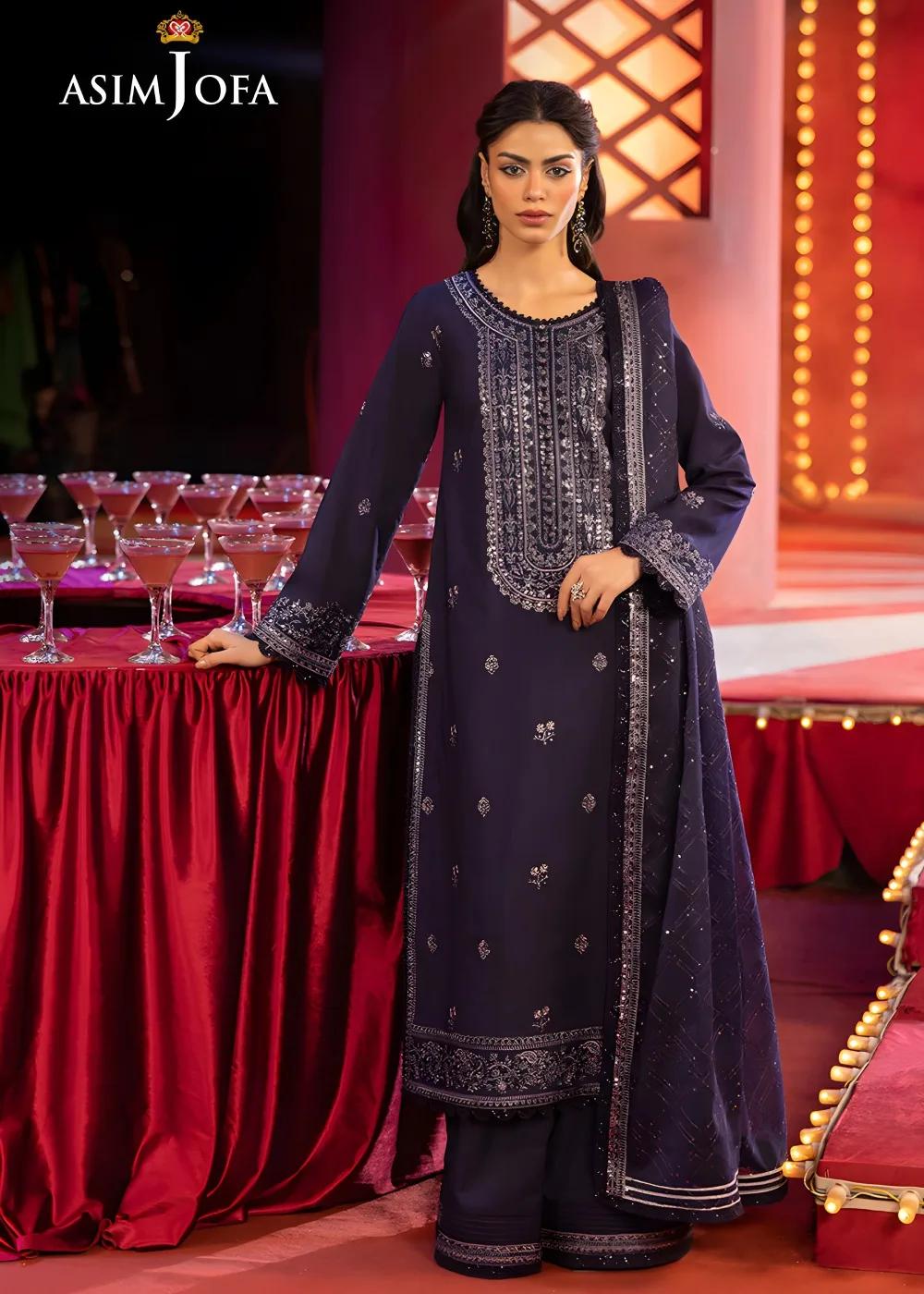
Asim Jofa
Embroidered Luxury Silk Shirt with Embroidered Luxury Chiffon Dupatta AJLFF-03
Silk
Rs. 5,950
Final Thoughts: Plan Early, Communicate Clearly, and Trust Your Instinct
Choosing Pakistani bridal wear is a balance of tradition, budget, and personal style. Start early—ideally three to six months before your wedding—so you have time to browse, order, fit, and adjust. Communicate your measurements, preferences, and deadlines clearly with your tailor or brand. And trust your instinct: if an outfit feels too heavy, too tight, or too expensive, it probably is.
Your wedding wardrobe should make you feel confident, comfortable, and beautiful across every function. Whether you're ordering a hand-embroidered masterpiece from Karachi or choosing a ready-to-wear suit from a trusted brand, the right outfit is the one that fits your body, your budget, and your vision for the day.
Explore our bridal collection for embroidered chiffon, silk, and organza suits, or browse party wear for lighter mehndi and walima options. We ship worldwide and offer custom stitching to your measurements.